
What to look for when buying a pre-owned vehicle
Margaret-Ann Jayne | Aug 31 2026 13:00
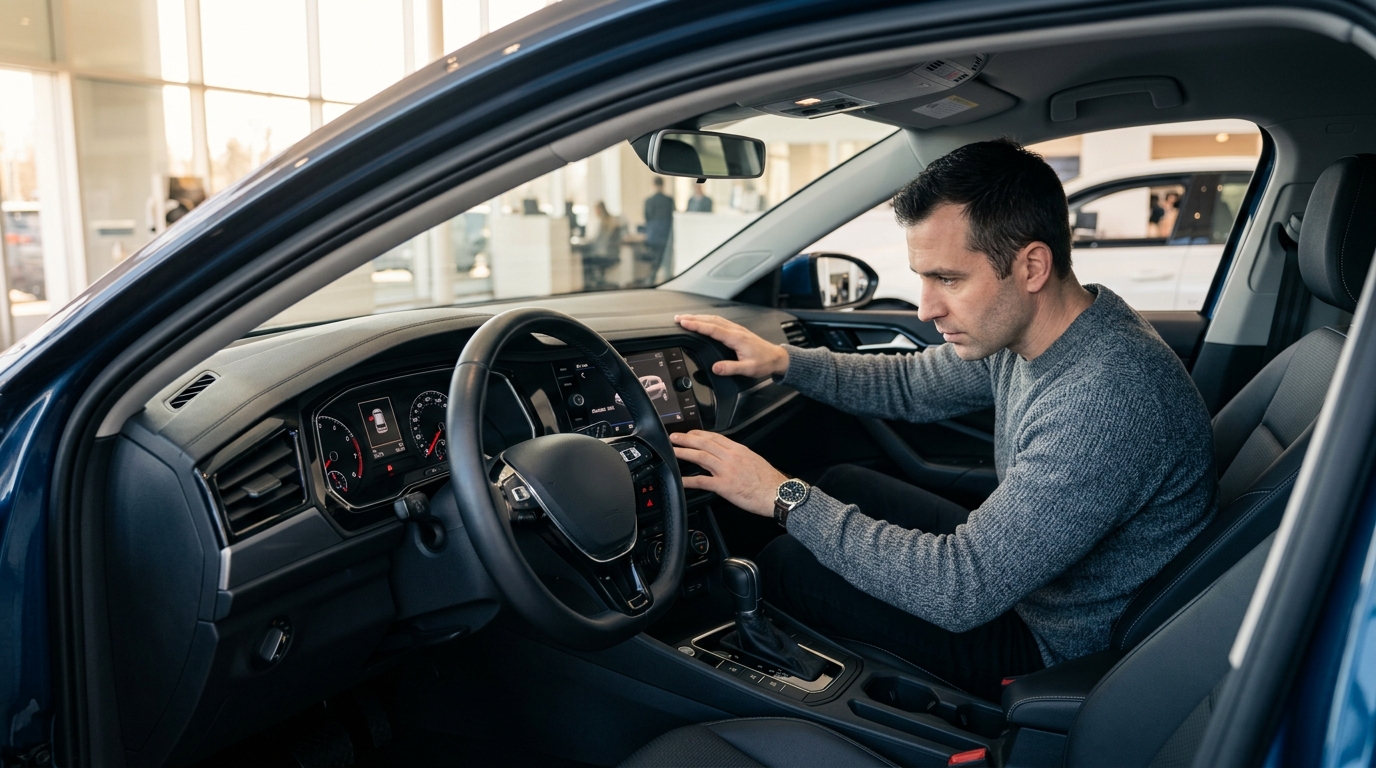
Choosing a pre-owned vehicle is about more than finding a make, model, or color you like. The best choice is one that fits your everyday routine, feels comfortable to drive, and makes sense for your overall budget. Taking a methodical approach can help you compare options with more confidence and avoid rushing a decision.
Before you begin shopping, think about how you will actually use the vehicle. Then take time to review its condition, ask practical questions, and focus on the details that will matter long after the purchase.
Start With Your Daily Needs
A vehicle should support your life as it is now. Consider how many people typically ride with you, how much cargo space you need, and the type of driving you do most often. A compact car may be a practical fit for commuting and city parking, while an SUV, truck, or larger vehicle may better suit family travel, equipment, hobbies, or frequent highway trips.
It also helps to consider your regular routes. Think about parking spaces, road conditions, fuel use, weather, and the number of miles you expect to drive each week. Make a short list of must-haves, such as all-wheel drive, rear-seat room, a backup camera, towing capability, or room for a stroller. Separating true needs from nice-to-have features can make comparing pre-owned vehicles much easier.
Look Closely at Overall Condition
When you see a vehicle in person, give yourself time to look beyond its appearance. Walk around the exterior and look for uneven paint, dents, corrosion, cracked lights, or signs of damage. Check the tires for even wear and take note of whether they appear to have usable tread remaining.
Inside, look at the seats, flooring, dashboard, controls, windows, and door seals. Normal wear may be expected in a pre-owned vehicle, but the overall condition can tell you a great deal about how it has been treated. Notice unusual odors, worn upholstery, damaged trim, warning lights, or controls that do not appear to work as expected.
Under the hood, you do not need to be a mechanic to observe the basics. Look for obvious leaks, loose parts, or anything that seems out of place. If you are uncertain about a vehicle’s condition, consider seeking input from a qualified independent technician before making a final decision.
Review Maintenance and Vehicle History
Maintenance records and vehicle-history information can add helpful context to what you see during a walk-around. Ask what documentation is available regarding routine service, repairs, and prior ownership. Consistent maintenance may indicate that a previous owner took an organized approach to vehicle care.
A vehicle-history report can also help you understand details such as title history, reported accidents, mileage entries, and the number of previous owners. It is important to remember that records may not capture every event in a vehicle’s life, so use them as one part of a broader evaluation rather than the only factor in your decision.
If a specific repair or past incident appears in the available information, ask for clarification. Understanding what happened, when it happened, and what work was completed can help you decide whether the vehicle remains a good fit for your needs.
Take a Thoughtful Test Drive
A test drive is one of the most useful parts of evaluating a pre-owned vehicle. Try to drive in conditions similar to your normal routine when possible. That may include neighborhood streets, stop-and-go traffic, turns, hills, or highway speeds.
Pay attention to how the vehicle starts, accelerates, brakes, steers, and shifts. Listen for unusual noises and notice whether the ride feels smooth and stable. Check visibility through the windshield and mirrors, and make sure you can comfortably judge the vehicle’s size while parking or turning.
During the drive, test practical features such as the air conditioning, heat, windshield wipers, turn signals, lights, audio system, and parking aids. There is no need to rush. A few extra minutes behind the wheel can reveal whether a vehicle feels like a natural match for your driving style.
Check Comfort and Everyday Technology
Comfort is not a small detail. Adjust the driver’s seat, steering wheel, and mirrors to see whether you can find a comfortable position. Check headroom, legroom, seat support, and ease of entry and exit. If you often travel with passengers, sit in the rear seats as well.
Technology should be useful, not distracting. Explore the infotainment controls, phone connectivity, charging ports, navigation features if equipped, and driver-assistance features if equipped. Make sure the controls are understandable and that the features you value are available and functioning.
It can also be helpful to bring items you use regularly, such as a child seat, sports bag, work equipment, or mobility aid. Checking fit in the cargo area or rear seat can prevent surprises later.
Understand the Total Budget
The purchase price is only one part of the cost of owning a vehicle. Build a realistic budget that includes insurance, fuel, registration, taxes and fees where applicable, maintenance, possible repairs, and replacement items such as tires. If you plan to finance a vehicle, review the full financing details carefully, including the amount financed, term length, interest rate, monthly payment, and total amount paid over time.
Consider setting aside room in your budget for routine ownership expenses after purchase. A vehicle that fits comfortably within your overall financial plan can provide more peace of mind than one that stretches the budget too far.
Ask Clear, Practical Questions
Good questions help you make an informed decision. Ask about the vehicle’s available history, maintenance documentation, known condition concerns, included keys or accessories, and any features you want to confirm. If something is unclear, ask for an explanation in plain language.
You may also want to ask whether you can take time to review the paperwork, compare options, or arrange an independent evaluation. A major purchase deserves careful consideration, and you should feel comfortable with the information you receive.
FAQ
How many miles are too many for a pre-owned vehicle?
Mileage matters, but it is not the only measure of a vehicle’s potential reliability or value. Maintenance history, overall condition, driving habits, and the vehicle’s age all matter. A well-maintained vehicle with higher mileage may be a better choice than a lower-mileage vehicle that has not been cared for consistently.
Should I get a pre-owned vehicle inspected by my own mechanic?
An independent inspection can be a useful step, especially if you are considering a vehicle you plan to keep for several years. A qualified technician may identify concerns that are not obvious during a walk-around or test drive.
What should I look for during a test drive?
Focus on braking, steering, acceleration, shifting, visibility, comfort, road noise, and the operation of key features. Try to drive on different types of roads when possible, and take note of anything that feels unusual or uncomfortable.
What records should I ask to review?
Ask about available maintenance records, repair documentation, title information, and vehicle-history information. These records can help you understand the vehicle’s background and give you a starting point for follow-up questions.
How can I avoid buying more vehicle than I need?
Start with your real routine: passengers, cargo, commute, parking, weather, and budget. Prioritize the features you will use most often, then compare vehicles based on how well they meet those needs rather than choosing solely on appearance or extra features.
Finding the right pre-owned vehicle takes a little preparation, but the process does not have to feel overwhelming. When you are ready to explore options and ask questions, contact Car-Lotta to begin the conversation.