How to prepare your vehicle for a trade-in conversation
Margaret-Ann Jayne | Oct 12 2026 13:00
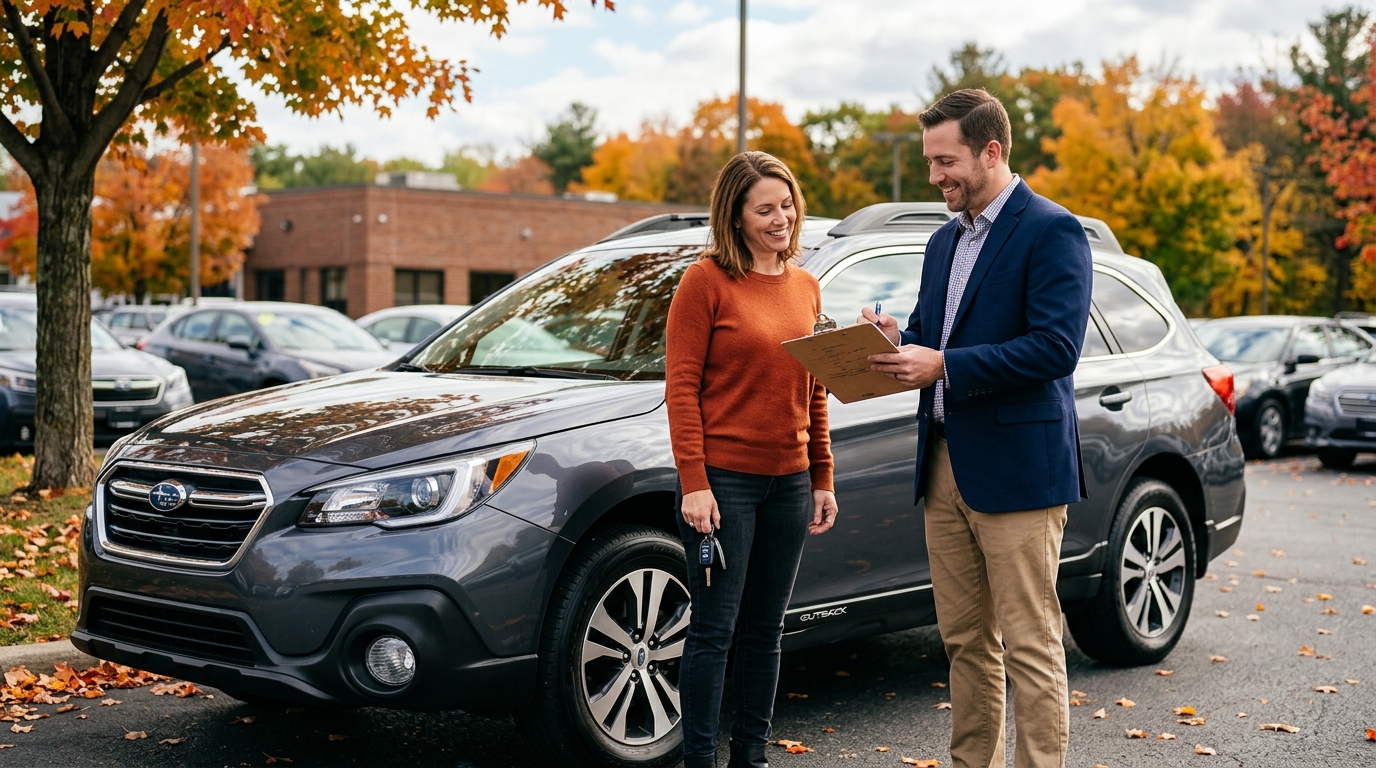
Preparing for a trade-in conversation does not have to be complicated. A little organization can help you understand your vehicle’s history, ask useful questions, and see how a potential trade-in fits into the larger plan for your next vehicle. At Car-Lotta, the goal is a transparent, low-pressure discussion that gives you the information you need to make a comfortable decision.
The value of a trade-in can be influenced by many details, including its condition, service history, local demand, mileage, and the broader vehicle market. While no one can responsibly promise a value before reviewing the vehicle and relevant information, you can arrive prepared to have a more productive conversation.
Gather Your Ownership Documents
Start by collecting the basic documents connected to your vehicle. Having these available can help clarify ownership status and make it easier to discuss possible next steps.
- Vehicle title, if you own the vehicle outright
- Current registration
- Government-issued identification
- Loan or lease payoff information, if applicable
- All available keys, key fobs, and remotes
If there is a loan on the vehicle, bring or be ready to access the lender’s name, account information, and current payoff amount. A payoff amount may differ from the balance shown on a regular monthly statement, so it is helpful to verify the most current figure with the lender.
If you cannot locate every document immediately, do not let that stop you from starting a conversation. Car-Lotta can help you understand what information may be needed as you explore your options.
Organize Maintenance and Repair Records
Maintenance records help tell the story of how a vehicle has been cared for. Gather invoices, service receipts, inspection reports, and records for major repairs or recent maintenance whenever they are available.
Useful examples include oil-change documentation, tire purchases, brake work, battery replacement, scheduled maintenance, and repairs to major components. If you have records from a dealership, independent repair shop, or digital service account, bring printed copies or have them accessible on your phone.
These records do not eliminate the need for an in-person review, but they can provide helpful context. They also give you a clear opportunity to explain recent work that may not be obvious during a walk-around, such as a new set of tires or a recently completed manufacturer-recommended service.
Clean Out the Vehicle Before You Arrive
Before discussing a trade-in, take time to remove personal belongings from the vehicle. Check the glove compartment, center console, door pockets, trunk or cargo area, under the seats, and any seat-back storage. Do not forget toll tags, garage remotes, charging cables, sunglasses, paperwork with personal information, and spare change.
A basic cleanup can also make the conversation easier. You do not need to invest in an expensive detail simply to discuss a trade-in, but removing trash, vacuuming loose debris, and clearing the cargo area helps the vehicle be viewed more clearly. If practical, a quick wash can make it easier to notice the vehicle’s exterior condition as well.
Be straightforward about any concerns you know about, including warning lights, accident history, mechanical issues, or damage. Clear information helps create a more useful discussion and prevents surprises later.
Understand What Can Affect Trade-In Value
It is natural to wonder what a vehicle may be worth, but trade-in value is not determined by one number alone. Vehicle age, mileage, trim level, optional equipment, title history, accident history, mechanical condition, tire condition, interior wear, and exterior damage can all be relevant.
Market factors matter, too. Demand for certain models can change, as can the availability of comparable vehicles, seasonality in specific vehicle categories, and broader used-vehicle market conditions. A well-maintained vehicle may be a positive part of the conversation, but its eventual trade-in assessment can still be affected by current market realities.
At Car-Lotta, a transparent trade-in conversation should include room for questions. Rather than focusing only on a single figure, ask how the vehicle’s condition, history, and market context are being considered.
Make a List of Questions Ahead of Time
Writing down questions before you visit can keep the conversation focused on what matters most to you. You may want to ask:
- What information do you need from me to evaluate my trade-in?
- How do the vehicle’s mileage, condition, and history factor into the discussion?
- What market factors are relevant for my vehicle right now?
- Can we discuss the trade-in separately from the next vehicle I am considering?
- What are the next steps if I decide to move forward?
You may also want to ask about timing. For example, if you are still comparing vehicles or need to confirm a payoff amount, understanding the process can help you plan without feeling rushed.
Look at the Trade-In Within Your Overall Budget
A trade-in is one part of the larger vehicle-shopping picture. Before visiting Car-Lotta, consider the total budget you are comfortable with for your next vehicle, including the purchase price, taxes, registration, insurance, fuel, maintenance, and any potential financing costs.
It can be helpful to separate the decisions into manageable pieces: first, understand your current vehicle and any payoff obligation; then compare next-vehicle options; finally, review how the complete transaction fits your budget. This approach can make it easier to compare choices clearly.
Bring a Clear, Flexible Mindset
The best trade-in conversation is an informed one, not a pressured one. Bring your documents, know the vehicle’s general condition, be honest about its history, and leave room to evaluate the information you receive. You do not need to make an immediate decision simply because you have started the conversation.
Car-Lotta is here to help prospective shoppers talk through their trade-in questions, understand the steps involved, and consider how a current vehicle may fit into a next-vehicle plan. When you are ready, contact Car-Lotta to discuss your vehicle and explore the next steps at a pace that feels right for you.