
A practical winter-ready vehicle checklist for shoppers and owners
Margaret-Ann Jayne | Nov 17 2026 14:00
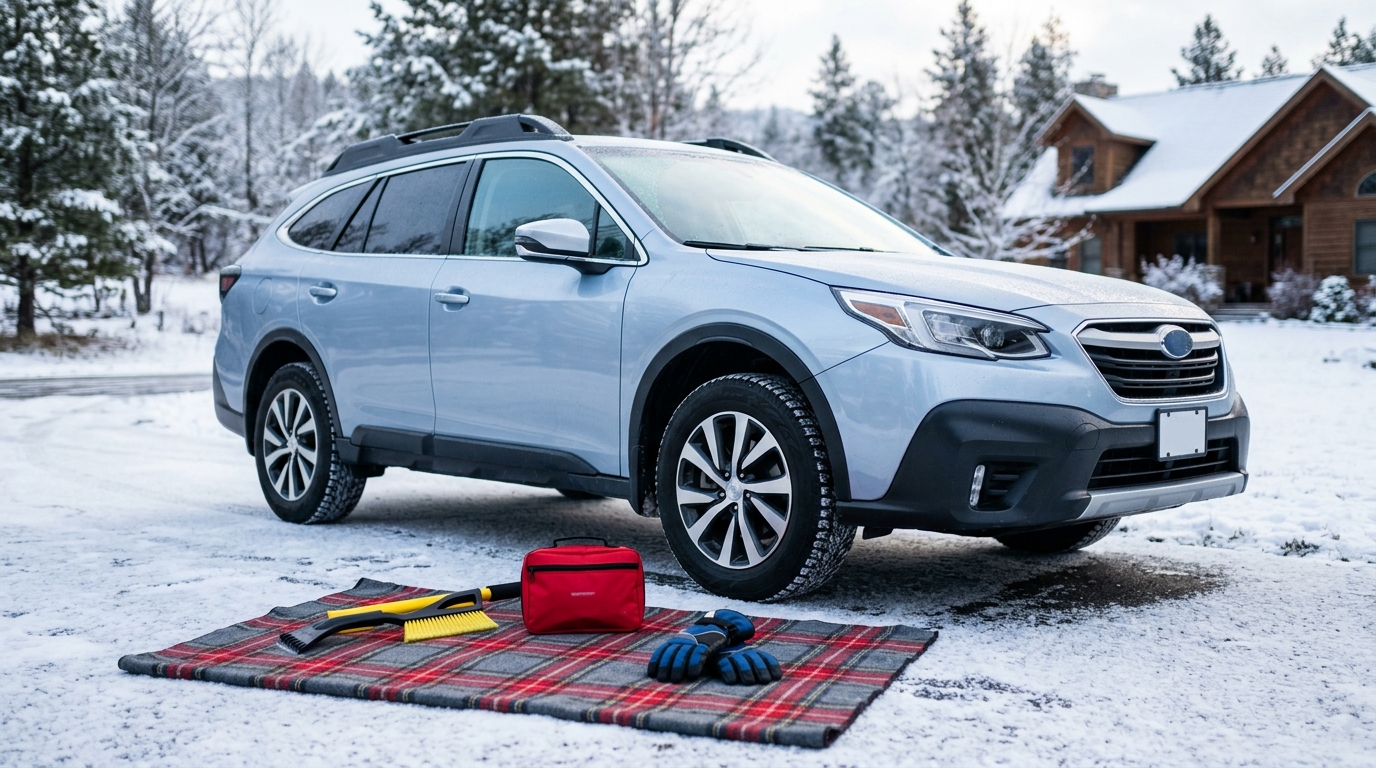
Colder weather can place added demands on nearly every part of a vehicle, from the tires meeting the road to the battery starting the engine. A little preparation can help you drive with greater confidence when temperatures drop, visibility changes, and roads become less predictable. For any mechanical concern or service need, consult a qualified automotive service professional.
Whether you are maintaining the vehicle you have now or beginning to consider another option, this practical checklist can help you focus on the features and essentials that matter most for winter driving.
Start With Tires and Tread
Your tires are your vehicle’s connection to the road, so tread depth and tire condition deserve close attention before colder weather arrives. Worn tread can reduce traction on wet, slushy, or snowy surfaces, while uneven wear may point to an alignment, suspension, or inflation issue that a qualified professional should evaluate.
Check tire pressure regularly, since pressure can decrease as temperatures fall. Use the pressure recommendation listed on the driver-side door placard or in the owner’s manual rather than relying only on the number printed on the tire sidewall. Proper inflation supports handling, braking, tire life, and fuel efficiency.
If winter conditions are common where you drive, consider discussing tire options with a tire professional. All-season tires may be appropriate for many drivers, while winter tires can offer additional grip in sustained snow and ice conditions. It is also wise to confirm that the spare tire, if your vehicle has one, is usable and properly inflated.
Pay Attention to Battery Health
Cold temperatures can make it harder for a battery to provide the power needed to start a vehicle. A battery that seemed acceptable during warmer months may struggle once temperatures fall, especially if it is older or has shown signs of weakness.
Common warning signs include slow cranking, dim interior lights, an illuminated battery warning light, or electronics that behave inconsistently at startup. These symptoms do not always mean the battery is the only issue, but they are good reasons to have the charging and starting systems assessed by a qualified service professional.
Keeping battery terminals clean and secure can also be helpful, but avoid attempting repairs if you are unsure of the proper procedure. Professional testing can provide a clearer picture of battery condition and may help prevent the inconvenience of a no-start situation on a cold morning.
Make Visibility a Priority
Winter driving often means shorter daylight hours, rain, snow, road spray, and glare. Take time to check that headlights, taillights, brake lights, turn signals, and hazard lights are working properly. Clean the exterior lenses so other drivers can see you and so your lights can provide their intended illumination.
Windshield wipers are equally important. If wiper blades leave streaks, skip areas of the windshield, chatter, or show visible cracking, it may be time to replace them. Clear visibility is especially valuable when precipitation begins unexpectedly or when low sun creates glare on a wet road.
Use washer fluid designed for cold temperatures rather than plain water. Water can freeze in the reservoir or on the windshield, creating a frustrating and potentially unsafe visibility problem. Keep the reservoir filled, and make sure you know how to operate the front and rear washers if your vehicle has both.
Check Heat and Defrost Functions
A working heater is about more than comfort. The heating, ventilation, and air-conditioning system helps clear fog, frost, and moisture from the windshield and windows. Before cold weather becomes routine, test the heat, front defrost, rear defrost, fan speeds, and airflow settings.
If the system does not produce warm air, if the defroster is ineffective, or if you notice unusual odors, noises, or persistent window fogging, schedule an evaluation with a qualified service professional. Do not wait until a stormy commute to discover that the defrost function is not working as expected.
It is also helpful to become familiar with your vehicle’s climate controls. Knowing which settings direct air to the windshield, activate the rear defroster, or bring in outside air can make it easier to respond quickly when visibility changes.
Build a Practical Emergency Supply Kit
Even well-maintained vehicles can encounter delays, changing conditions, or unexpected breakdowns. A compact emergency kit can make a significant difference if you need to wait for assistance or safely handle a minor inconvenience.
- Ice scraper and snow brush
- Warm blanket, gloves, hat, and extra layers
- Flashlight with fresh batteries
- Phone charging cable and portable power bank
- First-aid supplies
- Jumper cables or a portable jump starter, if you know how to use them safely
- Reflective triangles or road flares where appropriate
- Nonperishable snacks and drinking water
- Small shovel and traction aid for areas that receive snow
Adjust the kit for your typical driving conditions and the distances you travel. If you take longer trips, let someone know your route and expected arrival time, and check weather and road conditions before leaving.
Plan a Test Drive With Winter Needs in Mind
If you are exploring another vehicle, a thoughtful test drive can help you consider how it may fit your colder-weather routine. At Car-Lotta, customers and prospects can look beyond first impressions and focus on everyday usability, visibility, comfort, and confidence.
During a test drive, evaluate how easily you can see out of the vehicle. Look for clear sightlines through the windshield and mirrors, and consider the effectiveness and placement of the headlights. If available, explore features such as heated seats, heated mirrors, a heated steering wheel, remote start, all-wheel drive, or advanced driver-assistance features. These features may support comfort and convenience, but they do not replace attentive driving or appropriate tires for the conditions.
Pay attention to the climate controls and defrost settings. Are they intuitive to use without taking your attention away from the road? Consider cargo space as well. You may want room for an emergency kit, winter gear, groceries, or equipment used for work and family activities.
Ask questions about the vehicle’s drivetrain, tire size, ground clearance, and available safety features so you can compare options based on how and where you drive. A vehicle that suits a mild urban commute may have different strengths than one intended for frequent rural travel or snowy road conditions.
Make Cold-Weather Preparation a Routine
Preparing for colder weather is most effective when it becomes part of your regular vehicle-care routine. Check key items before the season changes, monitor performance as conditions shift, and address warning signs promptly with qualified service professionals. Small steps taken early can help reduce stress when temperatures fall.
Car-Lotta is here to help you explore vehicles with your everyday needs in mind. When you are ready to consider your next vehicle, keep your winter driving priorities—comfort, visibility, traction, storage, and confidence—at the center of your search.
FAQ
How often should I check my tire pressure in colder weather?
Checking tire pressure at least once a month is a sensible habit, and it is especially important after a significant temperature drop. Always use the vehicle manufacturer’s recommended pressure, measured when the tires are cold.
What are signs that my vehicle battery may need attention?
Slow engine cranking, dim lights, warning indicators, and inconsistent electrical performance can all signal a potential battery or charging-system concern. A qualified service professional can test the system and advise you on appropriate next steps.
Can I use water instead of winter washer fluid?
It is better to use washer fluid formulated for freezing temperatures. Plain water can freeze in the washer system or on the windshield, which can interfere with visibility when you need it most.
Why is the defroster important if my heater still works?
The defroster directs airflow to clear moisture, frost, and fog from the glass. A heater may provide warmth, but an effective defrost function is essential for maintaining a clear view of the road.
What should I look for in a vehicle for winter driving?
Consider your local conditions and daily routine. Useful factors may include tire condition and options, visibility, climate controls, cargo capacity, ground clearance, drivetrain, and available convenience or safety features. Car-Lotta can help you explore vehicles while keeping those winter needs in mind.